How we scaled easyJet holidays' intelligent pricing capacity by 40x
The upshot
Revenue management at scale with state-of-the-art testing technology
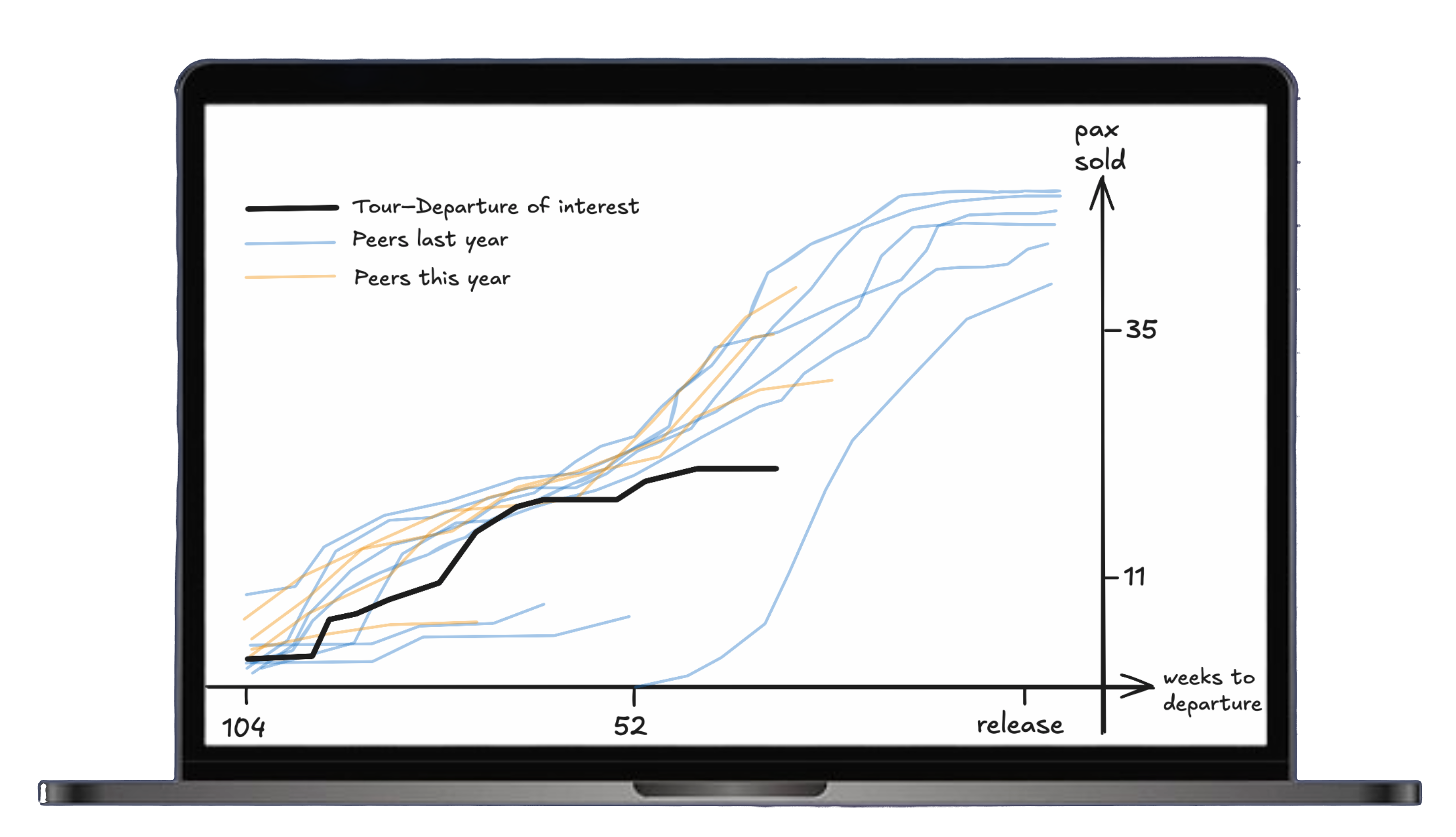
easyJet holidays needed to scale their pricing operations from hundreds of thousands to millions of daily pricing decisions—up to 40 times their existing capacity—whilst maintaining trader oversight and control. The challenge wasn't just about processing more pricing decisions, but making intelligent, nuanced changes to pricing that would be impossible to manage manually. Datasparq developed a comprehensive pricing model that generates strategic dynamic pricing recommendations rather than fixed prices, enabling traders to make informed decisions across millions of holiday combinations up to 18 months in advance.
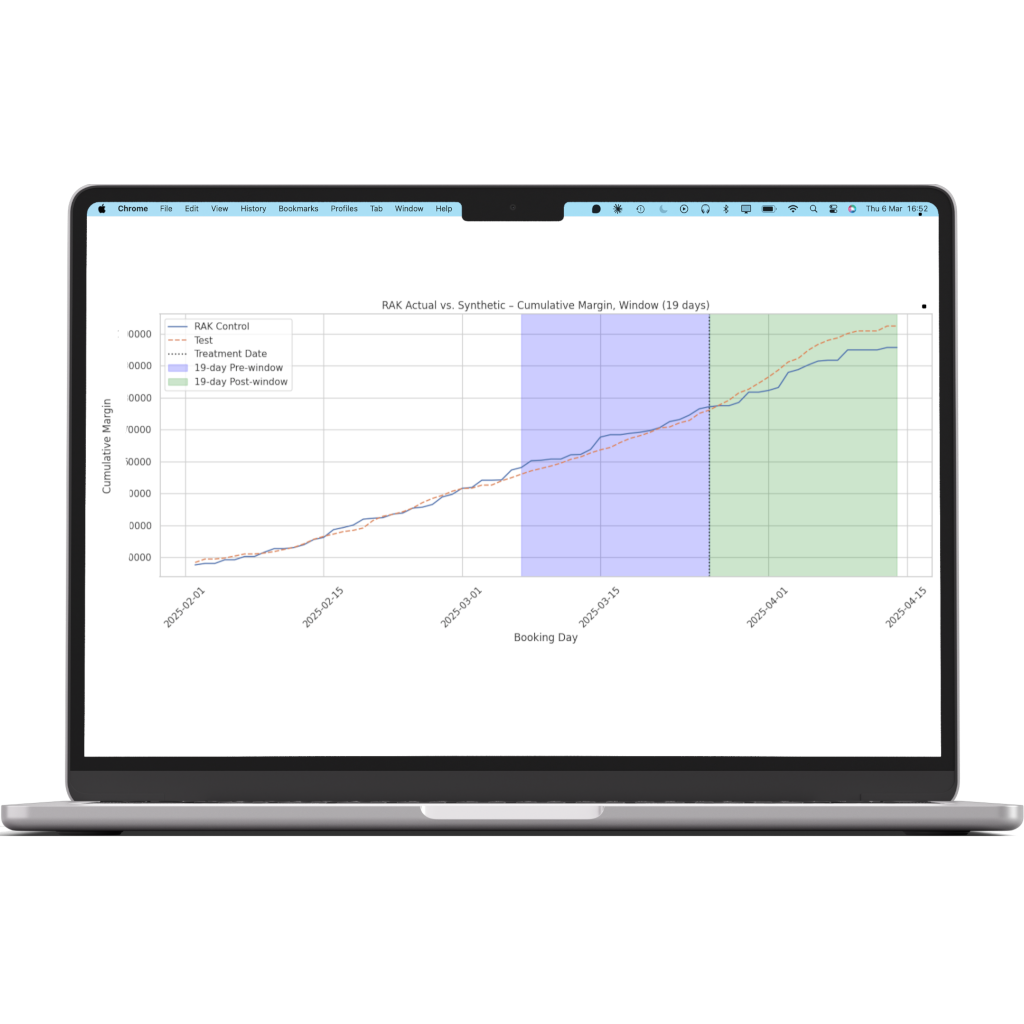
One of the major innovations in the project came through implementing synthetic control methodology—a technique introduced to easyJet holidays for the first time. This technique solved the fundamental challenge of testing pricing models in competitive marketplaces. This innovation enabled easyJet holidays to accurately measure the impact of pricing changes with confidence that results were robust to outside interference, whether from competitor reactions, marketing activities, weather events or other external factors - something traditional A/B testing cannot achieve in marketplace environments.
Key benefits:
- Expanded intelligent pricing capacity by 40 times, enabling sophisticated pricing changes previously impossible due to manual capacity constraints.
- Developed innovative marketplace testing methodology using synthetic control techniques, creating a reusable methodology that easyJet holidays can apply beyond pricing—including testing website display changes, discount effectiveness, marketing campaign impact and customer responses to bundling options.
- Achieved exceptional stakeholder buy-in, with trading teams integrating the solution into their workflow as the new standard approach to pricing decisions.

The opportunity
Scaling pricing operations in a fast-growing holiday business
easyJet holidays was experiencing rapid growth. This expansion created an urgent operational challenge: whilst the existing team of traders could make broad pricing changes across their inventory, they needed to reach millions of sophisticated daily pricing decisions to cover their expanding inventory effectively.
The traditional approach relied on human traders making pricing decisions for holiday packages—combinations of flights and hotels—with varying markup strategies. The team could apply broad changes, but the real challenge was making nuanced, data-driven pricing decisions that considered individual package performance, seasonal patterns, competitor positioning and demand signals whilst maintaining the oversight and control that traders required.
The complexity multiplied when considering booking windows extending 18 months into the future, creating millions of potential pricing scenarios that required sophisticated analysis rather than broad approaches.
The challenges we faced:
- Scaling pricing operations up to 40x beyond current capacity whilst maintaining trader oversight and control.
- Testing pricing strategies in competitive marketplace environments where traditional A/B testing fails.
- Managing ambitious scope across all destinations and booking windows simultaneously.
- Moving beyond broad pricing changes to sophisticated, data-driven recommendations that traders could trust and control.